Nepal Burkholderia Network (NEBUNET)
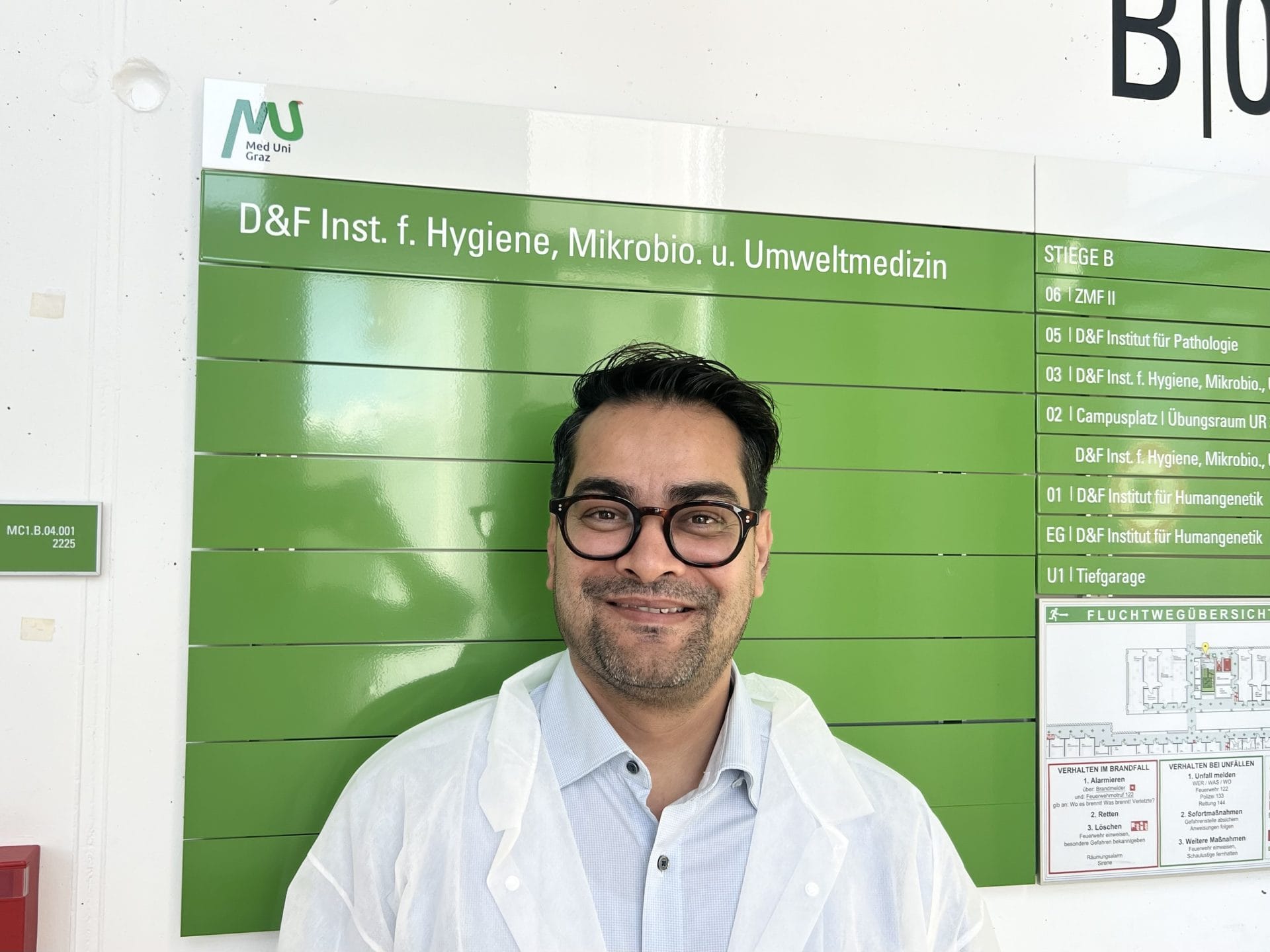
NEBUNET is a newly established research network hosted by GlohMed in collaboration with the Diagnostic & Research Institute of Hygiene, Microbiology and Environmental Medicine, Medical University of Graz (MUG), Austria.
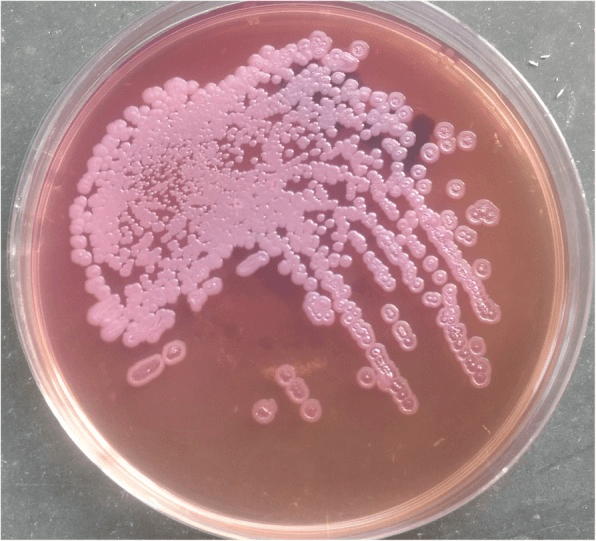
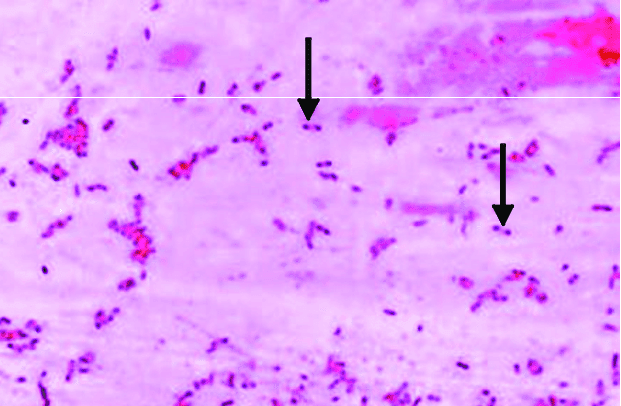
Melioidosis is caused by the soil bacterium Burkholderia (B.) pseudomallei which can infect humans through inhalation of soil-contaminated aerosols, skin lesions, or ingestion of contaminated water or food. It is suggested that around 44% of the predicted total 165,000 annual melioidosis cases worldwide occur in South Asian countries.
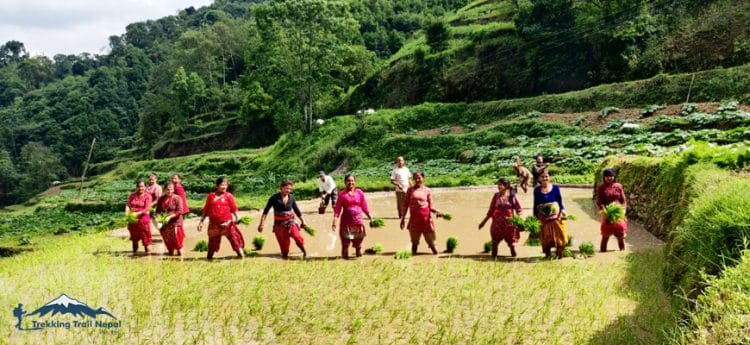
So far, only sporadic cases of melioidosis have been reported in Nepal. However, Nepal is likely to be a highly endemic country for B. pseudomallei, for the following three reasons. First, over half of the total population (around 15 million) live in the Southern belt with environmental suitability for B. pseudomallei. Second, two-thirds of the population are involved in farming or agriculture. And third, there is a high prevalence of diabetes among Nepalese adults. However, due to lack of awareness and limited microbiological capacity, there is massive underreporting of cases.
Network secretariat:
GlohMed Office,
Shree Marg, Pulchowk, Lalitpur 447700, Bagmati Province, Nepal
Email: info@glohmed.org
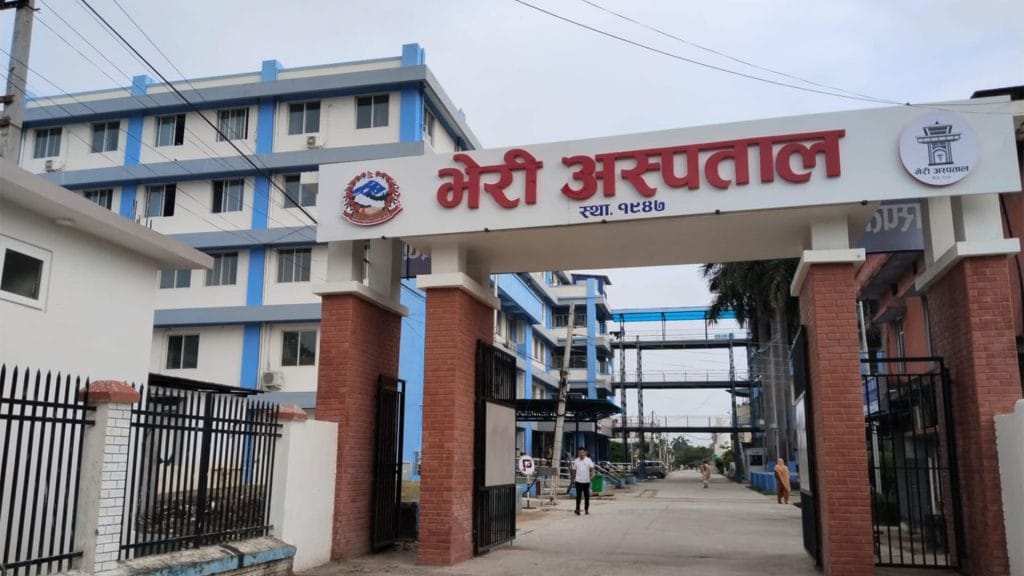
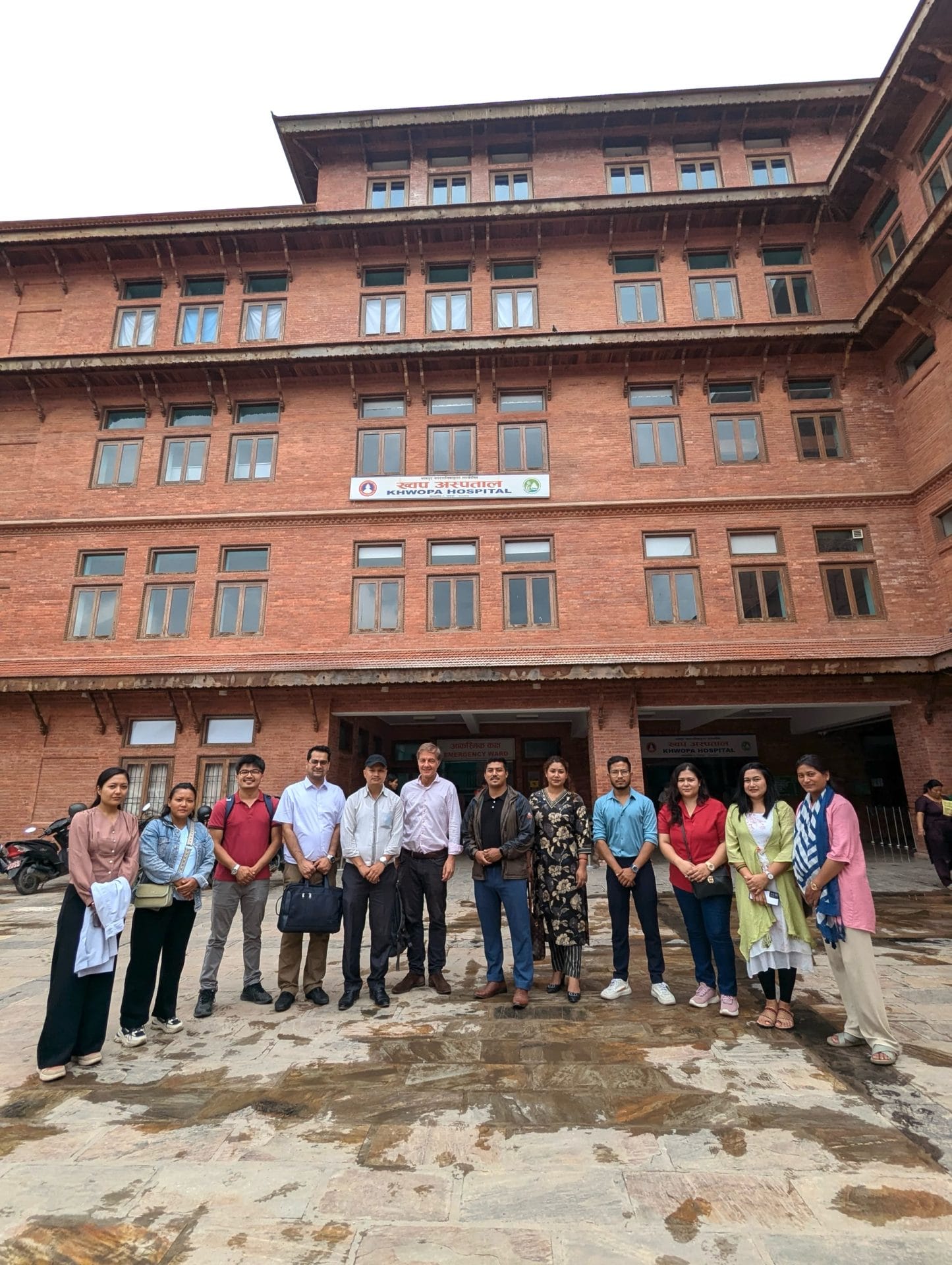
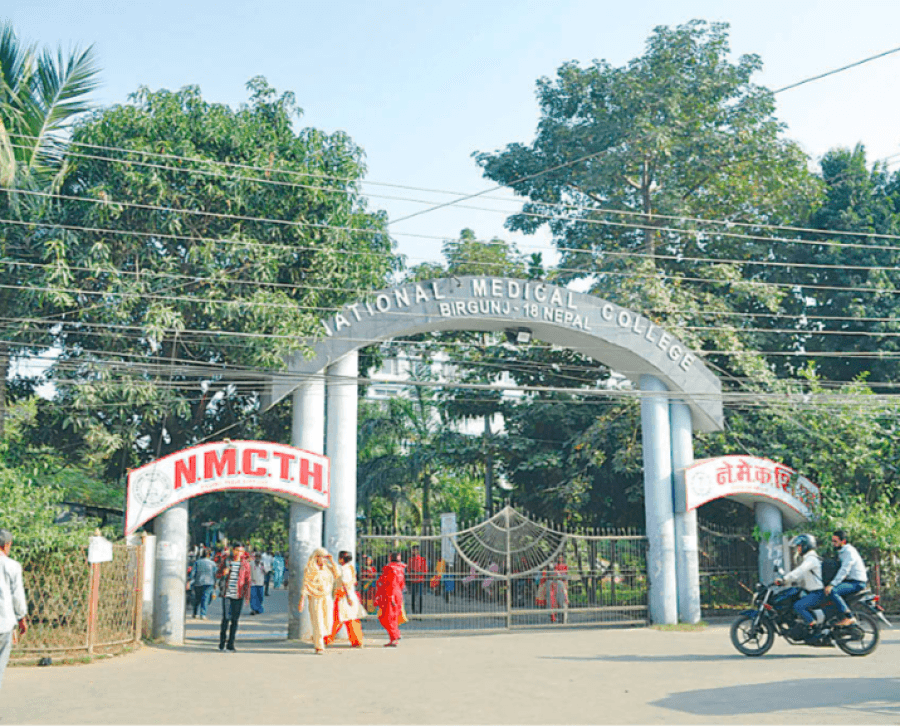
GlohMED is leading a study to provide a first estimate on the number of B. pseudomallei infections in the country and understand clinical and socio-epidemiological characteristics of cases. The study aims to recruit around 800 adult patients from four selected hospitals (two facilities in high burden cities, two facilities in Southern plain bordering Indian states). Inclusion criteria for the participants include presentation with febrile illness and having at least one known risk factor for melioidosis. Simple laboratory methods will be applied to detect B. pseudomallei from blood samples, but also urine, sputum and pus. Bacterial isolates and sera will be stored for advanced molecular and serological tests, which will be first conducted at our Austrian collaborator and later implemented in Nepal.
This project will help to provide an initial assessment of the risk areas and risk groups in Nepal that will benefit from a melioidosis vaccine: https://www.validate-network.org/p079
Project impact:
BURNEP study is generating real world data and evidence on prevalence of Burkholderia to inform future vaccine needs in Nepal. For this, the study is recruiting participants from representative geographical areas of the country.
This is the first prospective original research in Nepal that is investigating the burden of melioidosis in humans. Our study team has been successful in raising awareness among clinicians, microbiologists and laboratory technicians, public health professionals and health administrators.
Although bacterial isolation from routine microbiology has been lower than expected, we are improving laboratory methods to ensure quality of tests (and the PCR test has been added) so that we have sufficient information on B. pseudomallei strains and their relationship with other endemic regions.
This research has contributed to the laboratory strengthening in our four partner hospitals (particularly the detection of Gram-negative bacteria). As a direct impact, we are receiving positive feedback from the stakeholders and hospital administration. This unique research also helps drive favourable clinical outcomes in critically ill patients.
Nepal’s melioidosis initiative has been disseminated in major global meetings, for example:
- Asia Pacific Travel Health Conference 2024, Kathmandu
- Academy of Medical Sciences Global Clinical Research Meeting (Jakarta 2025)
- VALIDATE Annual Meeting (2025 Cape Town)
- World Science & Technology Development Forum (Beijing 2025)
- American Society of Tropical Medicine & Hygiene Annual Conference (2025 Toronto)
- South Asian Melioidosis Conference (2025 Assam India)
Among our new collaborations, BURNEP project was discussed in detail among senior medical scientists in China during the World Science & Technology Development Forum (WSTDF) 2025, hosted by the Chinese Academy of Sciences, China Association of S&T, in Beijing this October. Dr. Bhattarai (PP awardee) was invited by the Institute of Urban Environment and the International Science Council, to give a keynote speech during the session “One Health in Rapid Urbanization”, in which he spoke about how Burkholderia perfectly fits to global One Health agenda as it connects environment, humans and animals. Read more about it
Site visits and training:
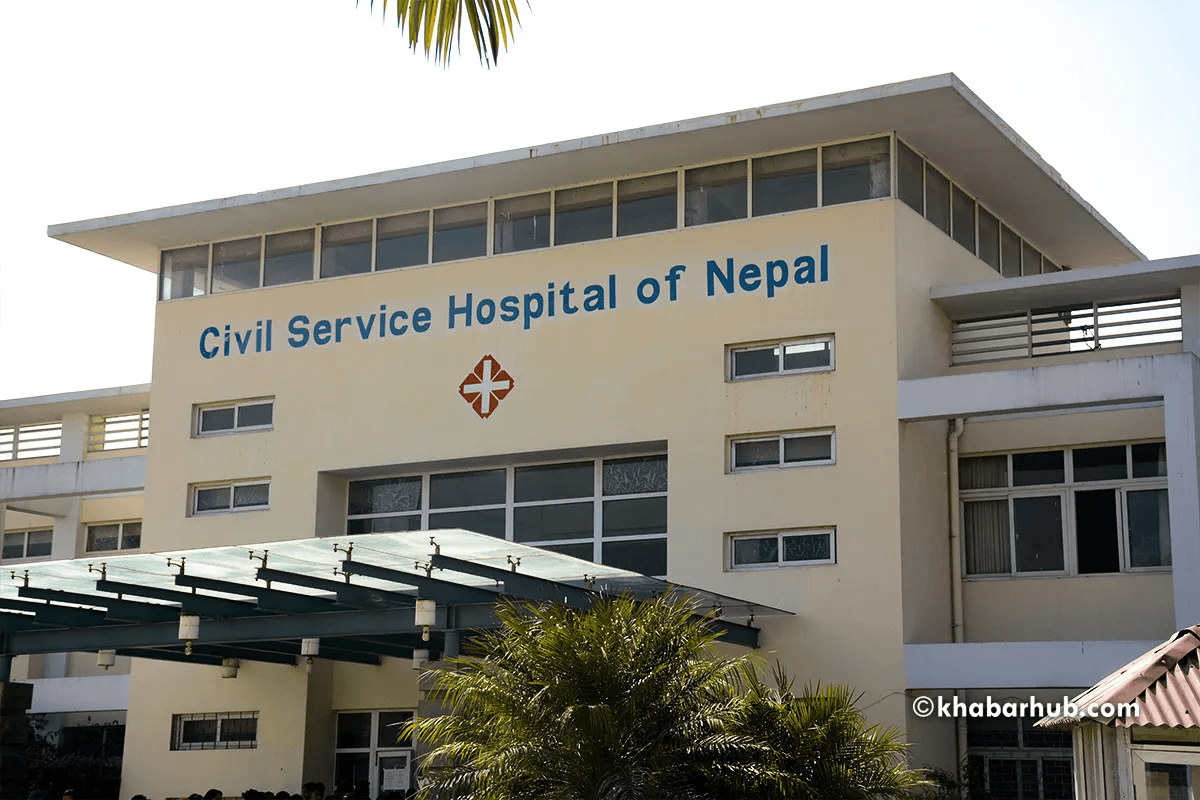
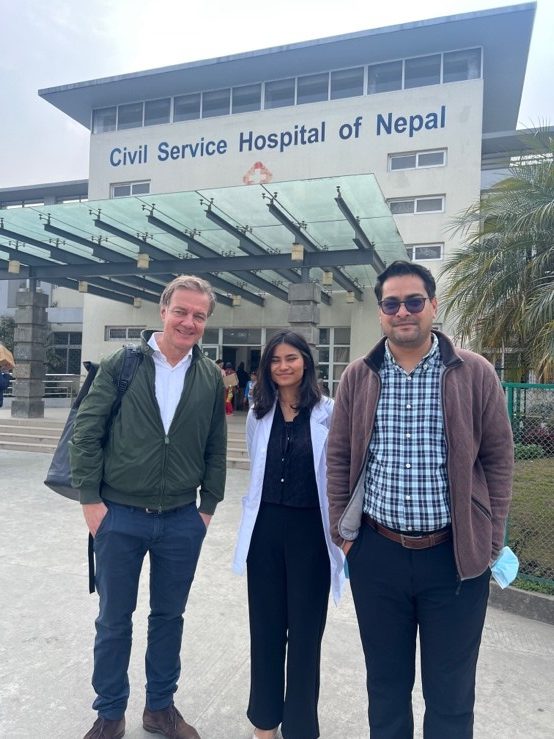
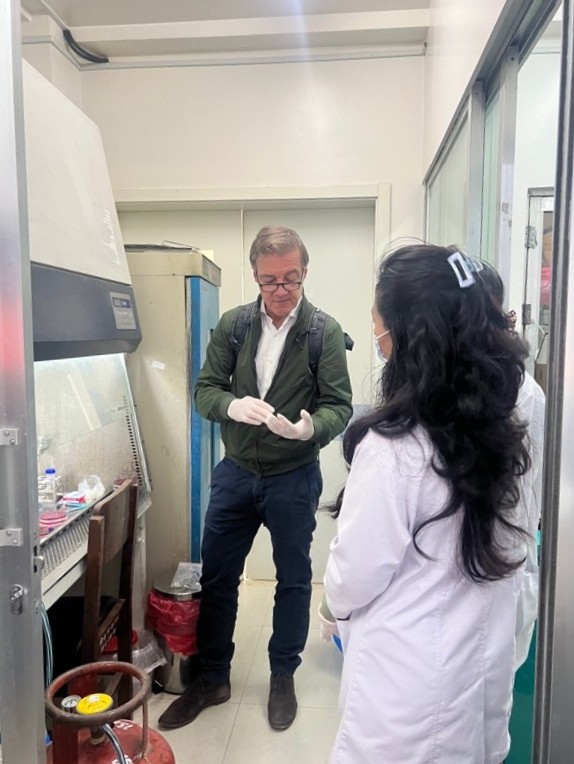
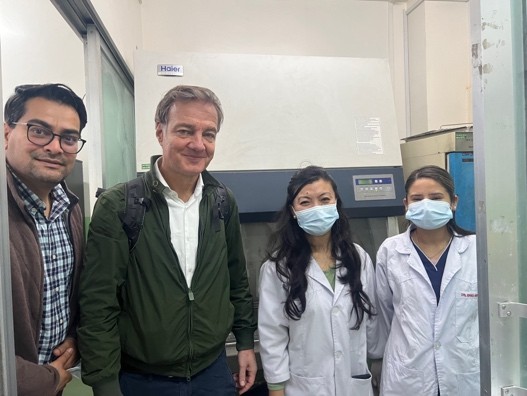
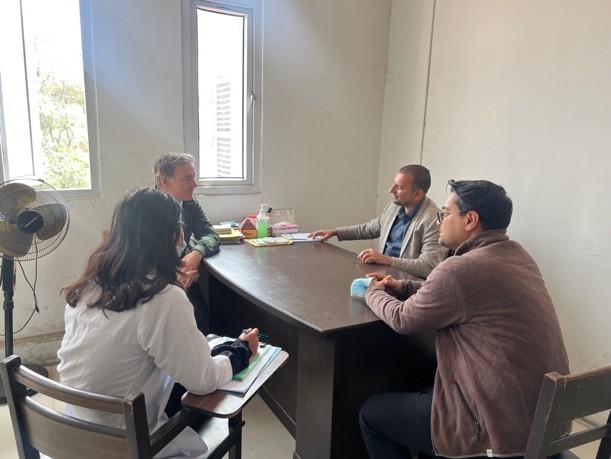
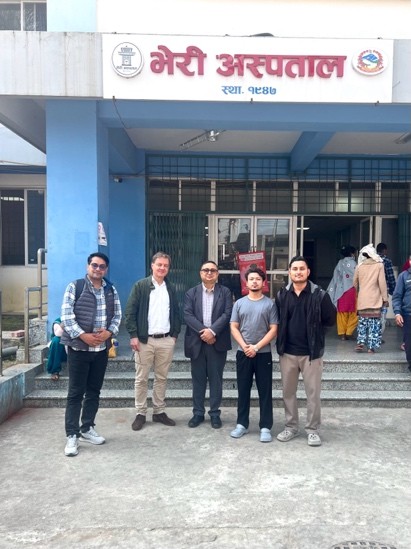
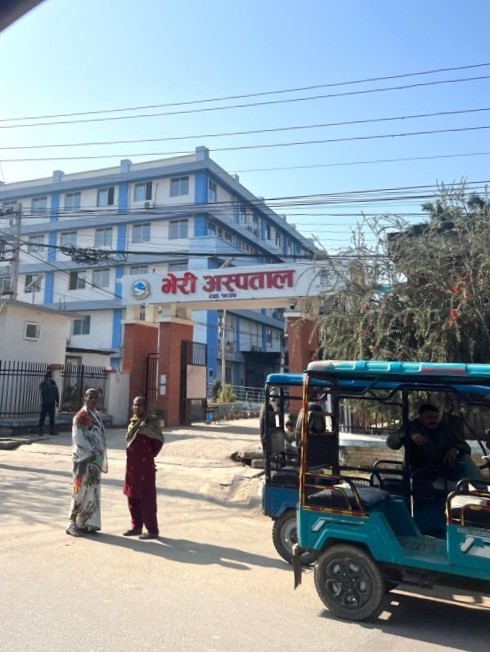
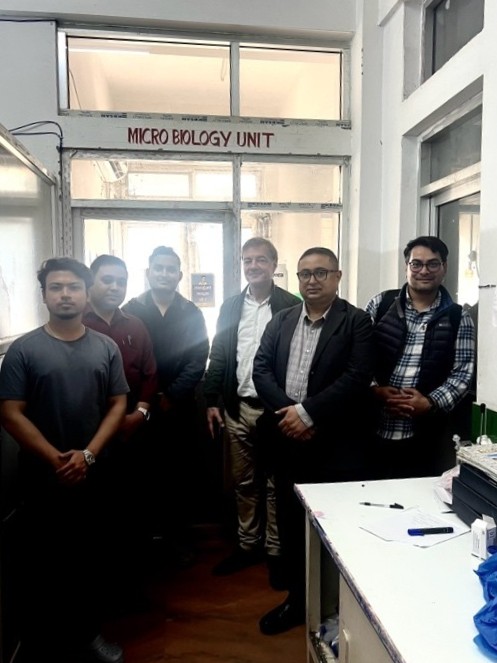
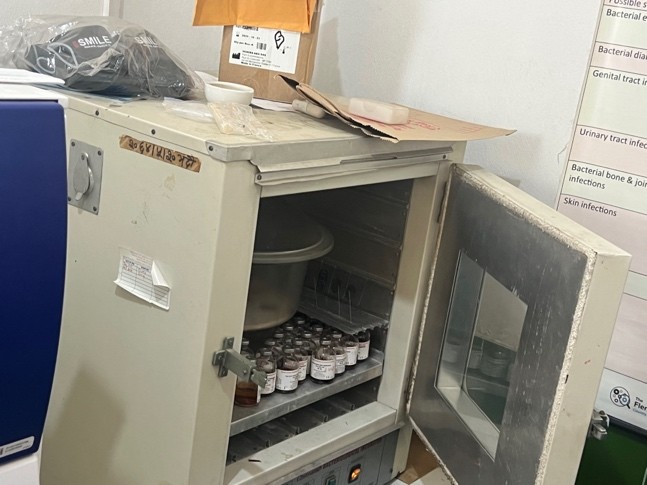
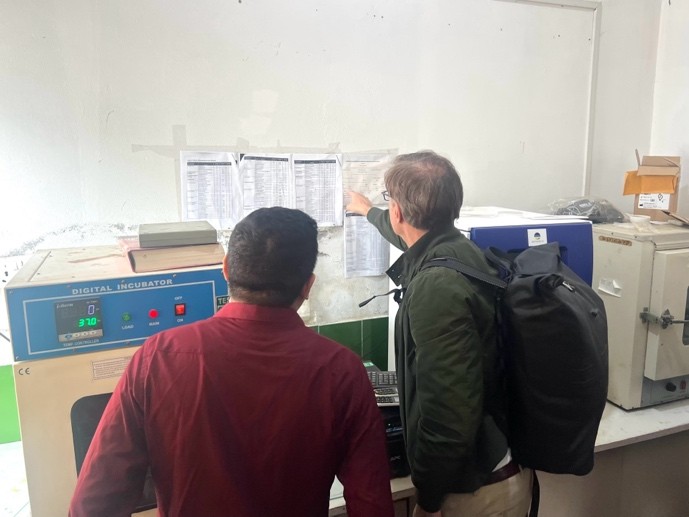
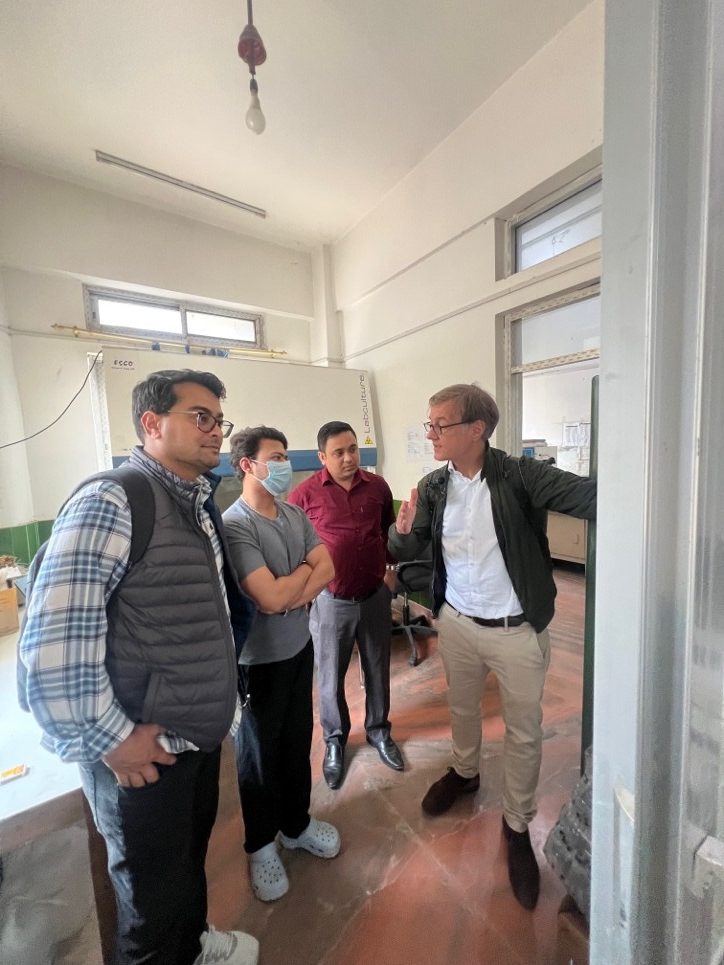
GlohMED team regularly visits the study sites. In March 2026, the visits to our two new sites (Civil Service Hospital and Bheri Hospital) were accompanied by Prof. Ivo Steinmetz who travelled from Austria to Nepal for site supervision and training. Alongside the visits, GlohMED organized several ad hoc meetings with the local stakeholders and discussed several challenges faced by the site team while conducting prospective clinical research at an operationally difficult and resource-constraint clinical setting in the context of culturally sensitive communities. The delegation observed participant recruitment and laboratory processes in these sites.
Site-3 visit (Civil Service Hospital, Kathmandu):


Site-4 visit (Bheri Hospital, Nepalgunj):